
The case for demand flexibility
It's no secret that electricity prices are already putting pressure on household budgets. As the economy electrifies in response to emissions reduction targets, dwindling gas reserves, and growing demand to power energy-intensive technologies such as electric vehicles (EVs) and data centres, electricity usage will only go up.
Meeting this demand for new generation and transmission infrastructure will require significant investment. While estimates vary, a 2022 study suggested at least $30 billion.1
“If the only way to fix that is by putting poles and wires in the ground and we have to spend $30 billion, that could significantly increase everybody’s power bills,” says Brian Fitzgerald, Distributed Flexibility Lead at the Energy Efficiency and Conservation Authority (EECA).
“We’re approaching an inflection point where a smart, flexible grid will be an absolute necessity, because the alternative will simply be unaffordable.”
Demand flexibility is crucial to smoothing the transition to a smarter, more renewable electricity system while keeping it affordable for consumers. Simply put, it means better matching supply and demand by shifting electricity use away from expensive peak periods.
There are two things we’ve found from our consumer engagement. One is that they don’t want anything in their life to change, and secondly the only thing they want to see go down is their power bill.Brian Fitzgerald
/ Distributed Flexibility Lead, EECA
Consumers benefit through lower power bills, while generators and electricity distribution businesses (EDBs) also gain by avoiding the need to build expensive capacity to meet peak demand. Shifting more demand to times when the sun is shining and the wind is blowing also boosts the case for renewable generation.
“The existing grid is a one-way system. They fill the bucket and it sits there waiting to be emptied,” Fitzgerald explains.
“An intelligent system is two-way. You can see load occurring and respond to it.”
EECA has quantified the potential of this approach. A report released earlier this year suggests between 1,700 and 1,900 megawatts2 – equivalent to around 25% of peak demand – could be shifted off peak, potentially avoiding up to $3 billion in generation and network investment.
Residential demand flexibility trials are already delivering encouraging results. As Fitzgerald says, this is just the beginning.
“Hopefully what we will build is a critical mass where it’s so visible, and so many people are telling each other about it that it becomes a no-brainer,” he says.
So, how does it work?
Orchestrating and optimising electricity use
Nearly 150 households are taking part in the FlexTalk 2.0 trial, a collaboration between EECA, the project designer and funder, and the Electricity Engineers’ Association, which is delivering the trial.
Participating households receive a home energy management system (HEMS) and smart controls retrofitted to their heat pumps, hot water cylinders and – in some cases – solar panels.
Fitzgerald likens the HEMS, a small round box that plugs into a wall socket, to a brain, describing it as the key to delivering household savings by orchestrating and optimising electricity generation and consumption.
It also acts as an interface between the household and the grid.
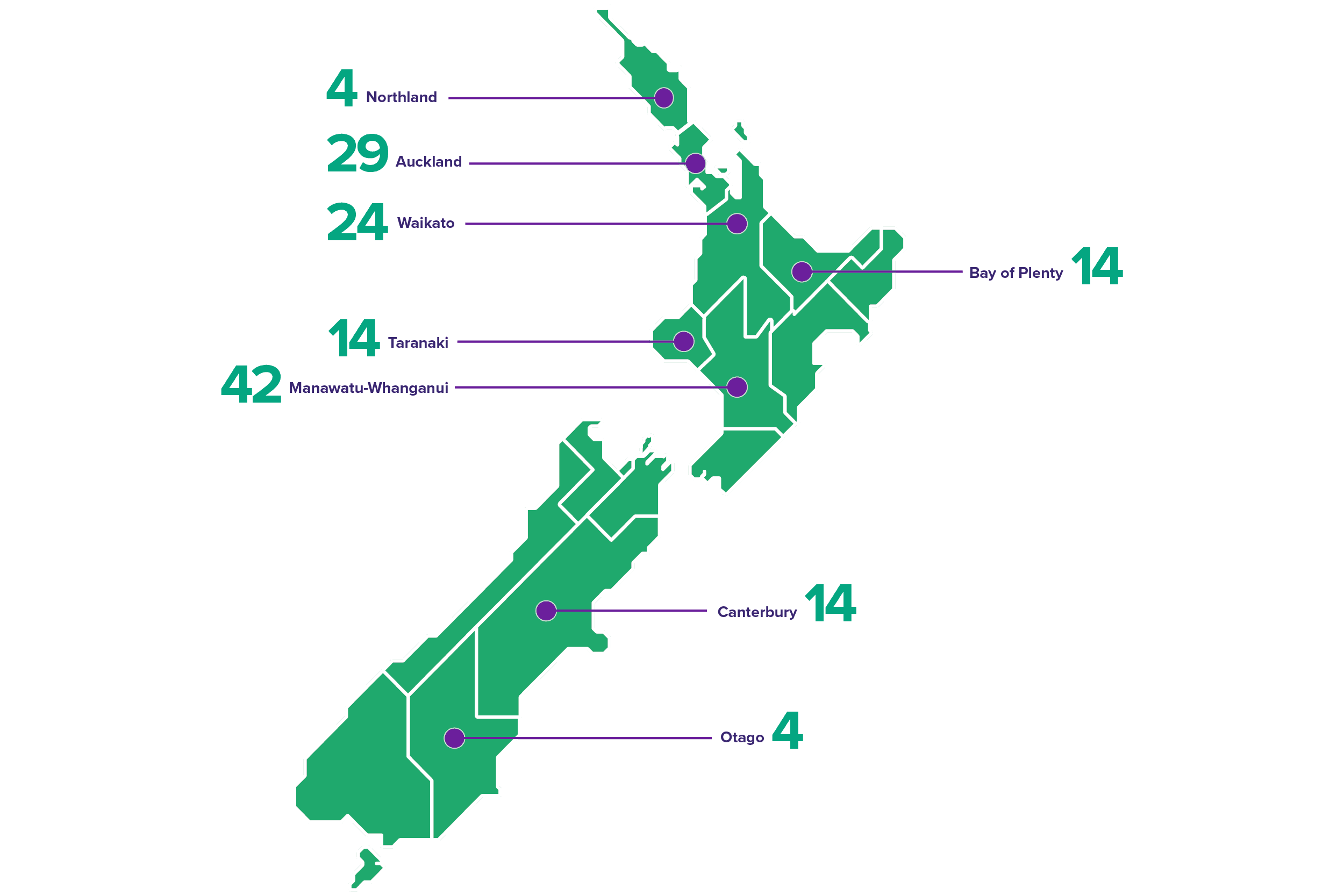
Nearly 150 households are taking part in the FlexTalk 2.0 trial.
“What the HEMS does is map existing electricity use over about three months. So we know when they tend to have showers, when they turn the heat pump on, and we get a clear picture of when they’re generating and exporting solar,” he says.
This data allows the HEMS to anticipate when devices can safely be turned on and off and – where possible – shift load to off-peak or shoulder periods to achieve lower prices.
For instance, instead of exporting solar power to the grid at low daytime prices, the HEMS might heat the water cylinder or turn on the heat pump to pre-heat a house before the owner gets home.
“There are two things we’ve found from our consumer engagement,” Fitzgerald says.
“One is that they don’t want anything in their life to change, and secondly the only thing they want to see go down is their power bill.”
FlexTalk is delivering the desired results.
Data from February 2025 shows participating non-solar households are on track to shave 3%, or around $80, off their average annual power bills of $2,343. EECA describes this as a conservative estimate that is likely to increase, as results from the all-important first winter of the trial are yet to arrive. For households with solar, the results are even stronger: a 55-60% reduction, or $1,350 in average annual savings.
Making household energy use smarter
Participating households in the FlexTalk 2.0 trial receive a HEMS system and smart controls retrofitted to their heat pumps, hot water cylinders and – in some cases – solar panels. The HEMS tracks patterns of household electricity use. Where it is convenient to do so, it communicates with devices and automatically shifts some use to off-peak or shoulder periods
In ongoing and future trials, the HEMS will be connected to even more devices, including vehicle-to-everything (V2X) chargers.
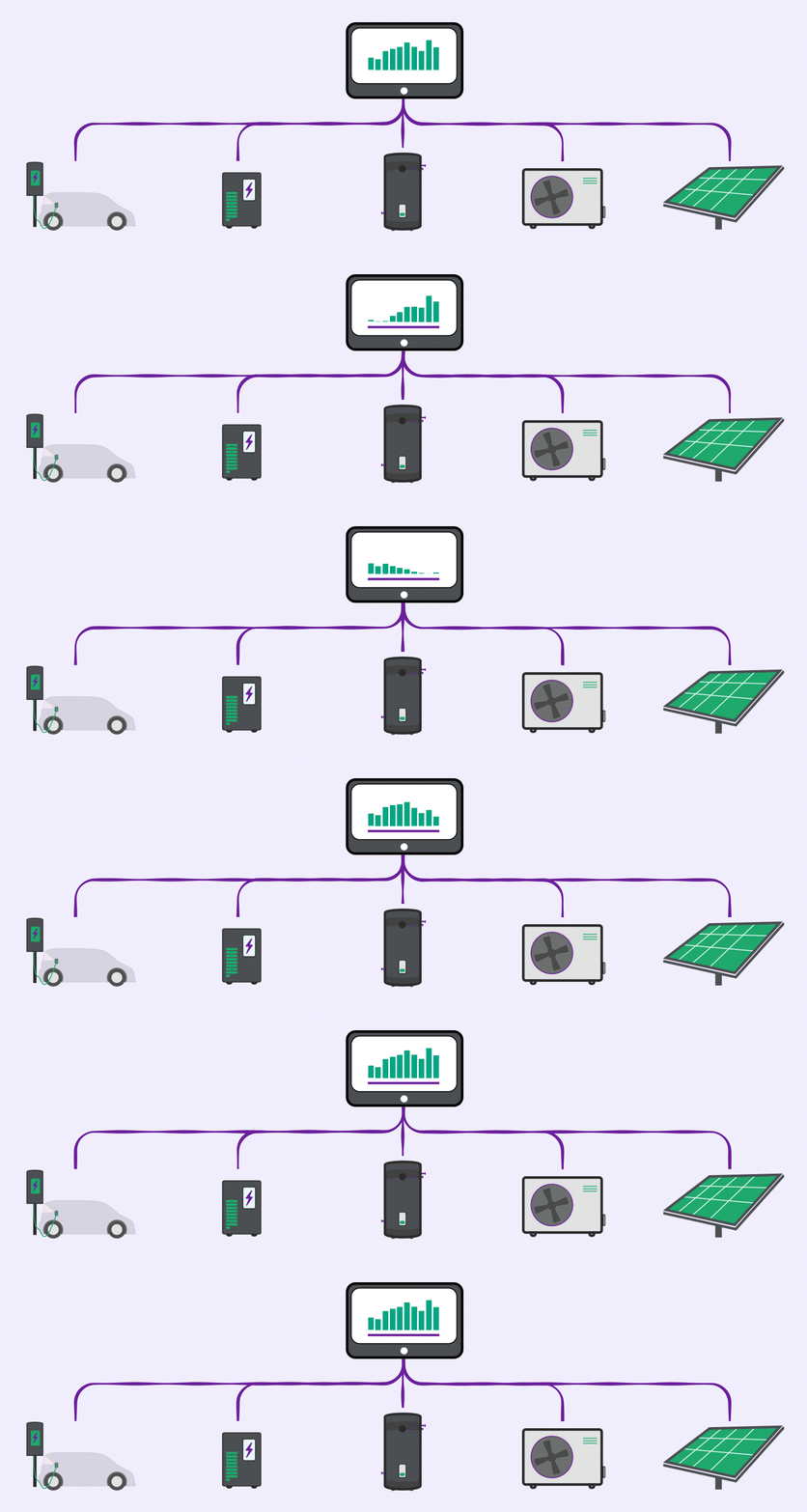
If the technology is rolled out widely and there is high solar uptake, it has the potential to save households between $700 million and $1 billion per year by 2050, according to an earlier FlexTalk evaluation.
The current trial started in 2025, but its origins can be traced back to 2021 when Fitzgerald and a counterpart from the Electricity Engineers Association started discussing global demand flexibility developments and the importance of deploying shared international communication protocols.
“Our north star at EECA is that we say any device should be able to talk to any other device or any market actor at any time,” he says.
The first trial, FlexTalk 1.0, proved that EDBs could communicate with smart EV chargers via a third party, meant to represent an electricity retailer. The trial, which took place in 2023, gamed scenarios like a grid emergency, where the chargers were told to turn off, or shift to 50% or 75% charge in response to grid constraints.
“EVs are the big terrifying load that we're all living in fear of,” Fitzgerald explains.
“They’re so big in terms of their electricity draw, you have to be able to incentivise people to spread the load.”
The next iteration of the trial sought to replicate this success by proving EDBs could remotely communicate with other household devices. Proving this was possible laid the groundwork for FlexTalk 2.0, which ends in October 2026.
But Fitzgerald and EECA are already looking ahead to a much larger project.
Households with solar saw the biggest savings.
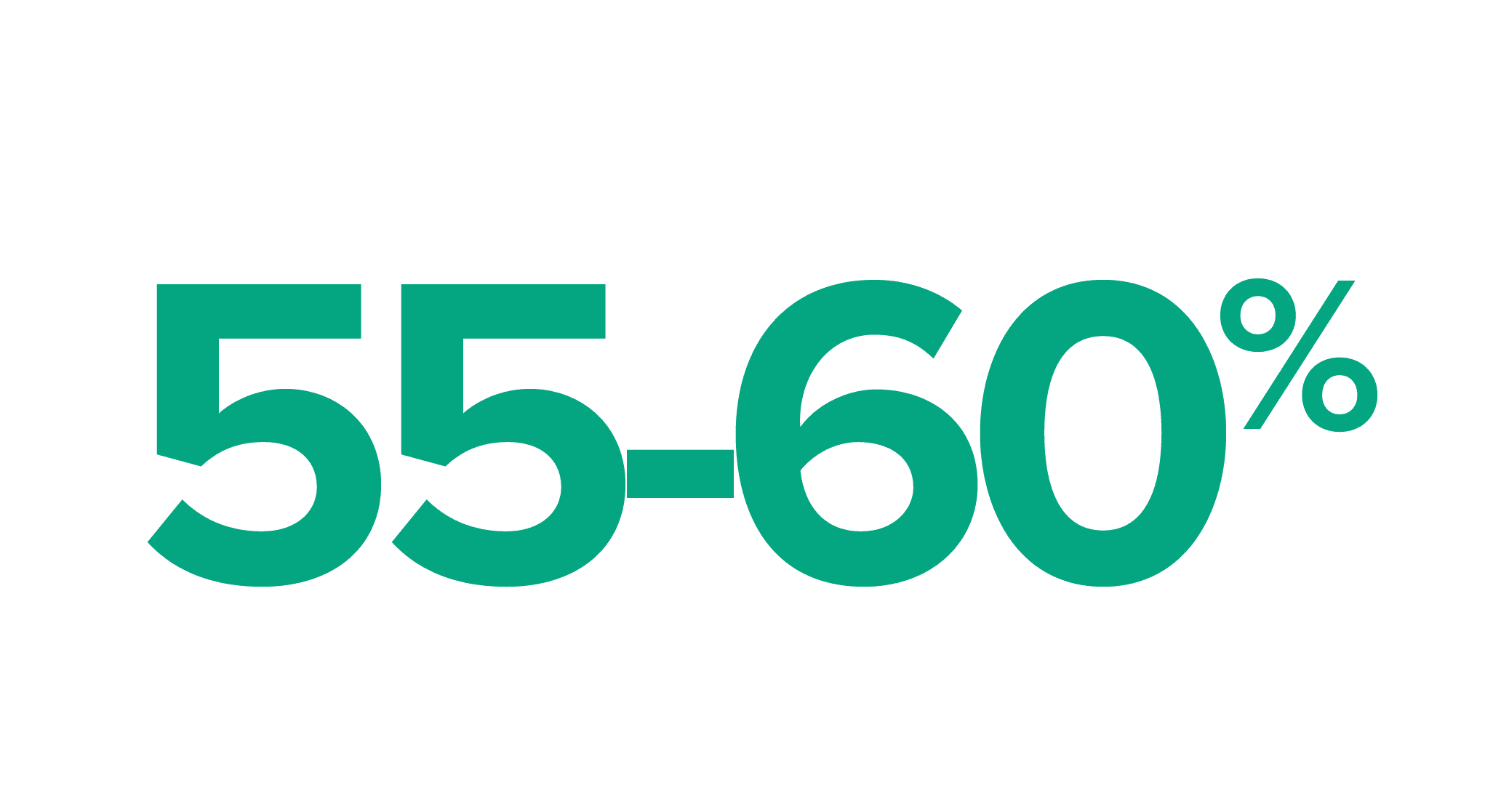
On average they saw a 55-60% reduction in energy use.
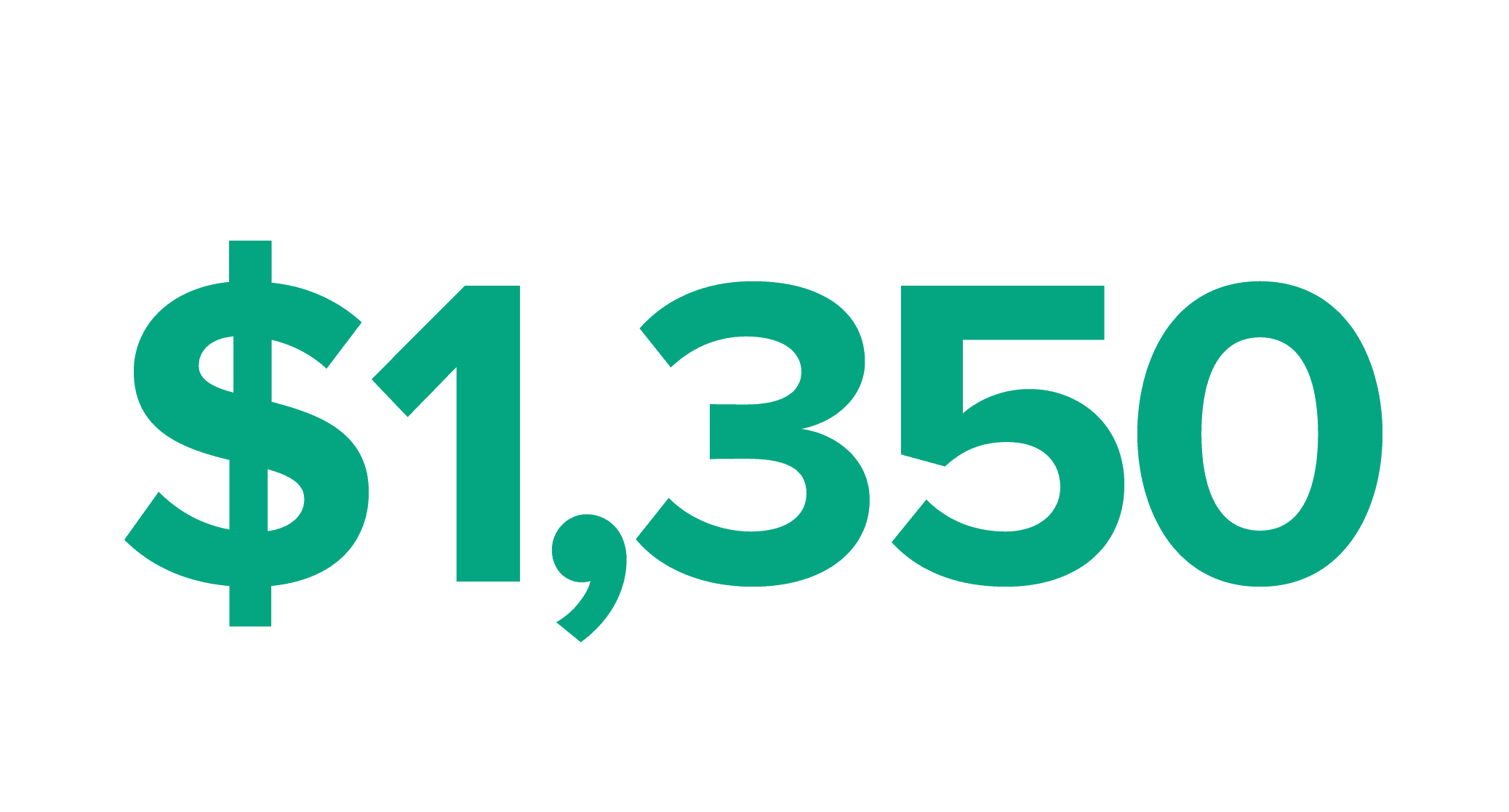
That's $1,350 on average in annual savings.
Scaling up and trading flex
Starting in March, EECA is undertaking its first suburb-sized pilot, installing subsidised HEMS and retrofitting smart controls to household devices in the Karaka Harbourside subdivision in South Auckland.
Hear Brian explain how it works in his own words.
The pilot is being run with lines company Counties Energy. Additional scaled pilots will be set up with five other EDBs around the country this year, enabling EECA to collect data from up to 2,500 homes.
The latest wave of testing will build on FlexTalk 2.0, while incorporating additional technologies that could deliver even greater household savings: vehicle-to-everything (V2X) chargers, which turn EVs into mobile batteries, and community-scale batteries.
Fitzgerald likens community batteries to virtual power plants.
“It’s not just storing electrons you can’t use at the time,” he says.
“When the community battery is full of electrons and nobody needs them, you could flex what’s in the battery back into the electricity network and use that to start charging EVs.”
Households and communities will be financially rewarded for this flexibility.
With rules currently being developed by the Electricity Authority, Fitzgerald is bullish that a flexible electricity market could be operating in New Zealand within two years.
“There’s going to be hundreds, if not thousands of people in the game, and they’re going to need consumers to give them the flex to trade,” he says.
Intermediaries – such as electricity retailers or aggregators – would have access to data from thousands of HEMS. This would allow them to see whether a particular suburb or group of consumers is using its full electricity capacity. Spare capacity can be sold to an EDB to relieve a constraint elsewhere on the network.
“In this situation, you might find that the aggregator goes: ‘I can provide that megawatt of flex, because I’m talking to 50,000 HEMS out there and they’ve told me they’ve got electrons available’”, Fitzgerald says.
These kinds of price signals would allow the grid to be used far more efficiently, reducing the need for expensive new generation and transmission projects to meet peak demand.
“If we can make the system as it stands today more efficient, all of a sudden we can put downward pressure on electricity prices because there’s a lot fewer poles and wires going in the ground,” Fitzgerald says.
Lowering peak demand for electricity and filling in the troughs will save New Zealand billions of dollars. For Fitzgerald, it isn’t a matter of if we transition to a smarter, more flexible electricity system; the question is: when and how fast?
Tell us what you think
Would your household consider installing a Home Energy Management System (HEMS)
Submissions are anonymous and information will be used to give a general sense of public intent. This is not a scientific poll.

"These kinds of price signals would allow the grid to be used far more efficiently, reducing the need for expensive new generation and transmission projects to meet peak demand."
Published 7 May 2025