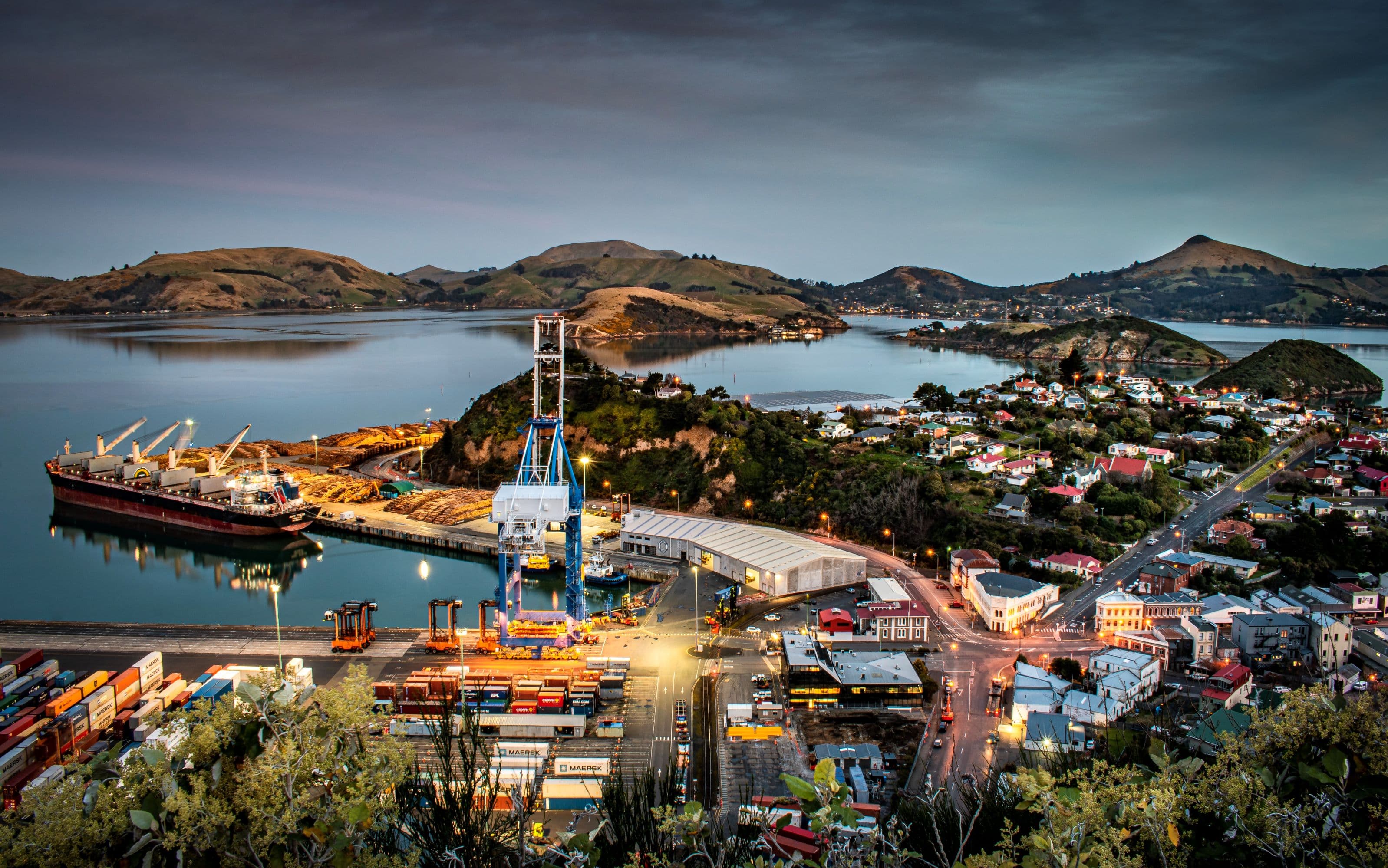
New Zealand’s geography has shaped our freight infrastructure and the freight and logistics sector more generally. Our varied terrain means we need infrastructure that can facilitate steep gradients and narrow winding corridors. This has contributed to a network of hinterland ports that traditionally service regional economies.
This research looks at the freight sector elements of the national infrastructure network; port, rail, road, coastal shipping, and air freight. It identifies international 'megatrends' in the sector and assesses their likely impact on the New Zealand freight and ports sector. This research also looks at the international trends in port ownership and operating models and makes a comparison between these trends and the current situation in New Zealand.
We commissioned Deloitte to conduct this research through extensive desk top research and input from subject matter experts. This work was used to inform the New Zealand Infrastructure Strategy.
Key findings
- Global supply chain alliancing and horizontal collaboration is expected to continue occurring over the coming decades, with a strong focus in the shipping sector.
- As demographic changes (increasing population and urbanisation) and varying freight industry commercial imperatives impact freight flows, there will be increasing and shifting demand on the New Zealand land transport network.
- Digitisation is becoming a core component of the freight sector, led by industry investment to increase speed, reduce cost and avoid error. Participation from all parties in the supply chain will be critical to the realisation of a digitally integrated logistics chain allowing the port ecosystem to become a collaborative community that can participate in integrated world trade.
- Changes in consumer preference will always be a key driver for change in the industry. Sustainable practices are likely to cascade up-stream at an increasing rate as corporations pledge to only work with those suppliers that adhere to environmental standards.
- The international experience over recent times suggests that port ownership and operations are disaggregating and privatising.
- The international trend has seen a continuation of vertical and horizontal integration along supply chains.
- Competition between ports is increasing both within countries and across borders.
Freights and ports sector review
Download
Published on 1 September 2020